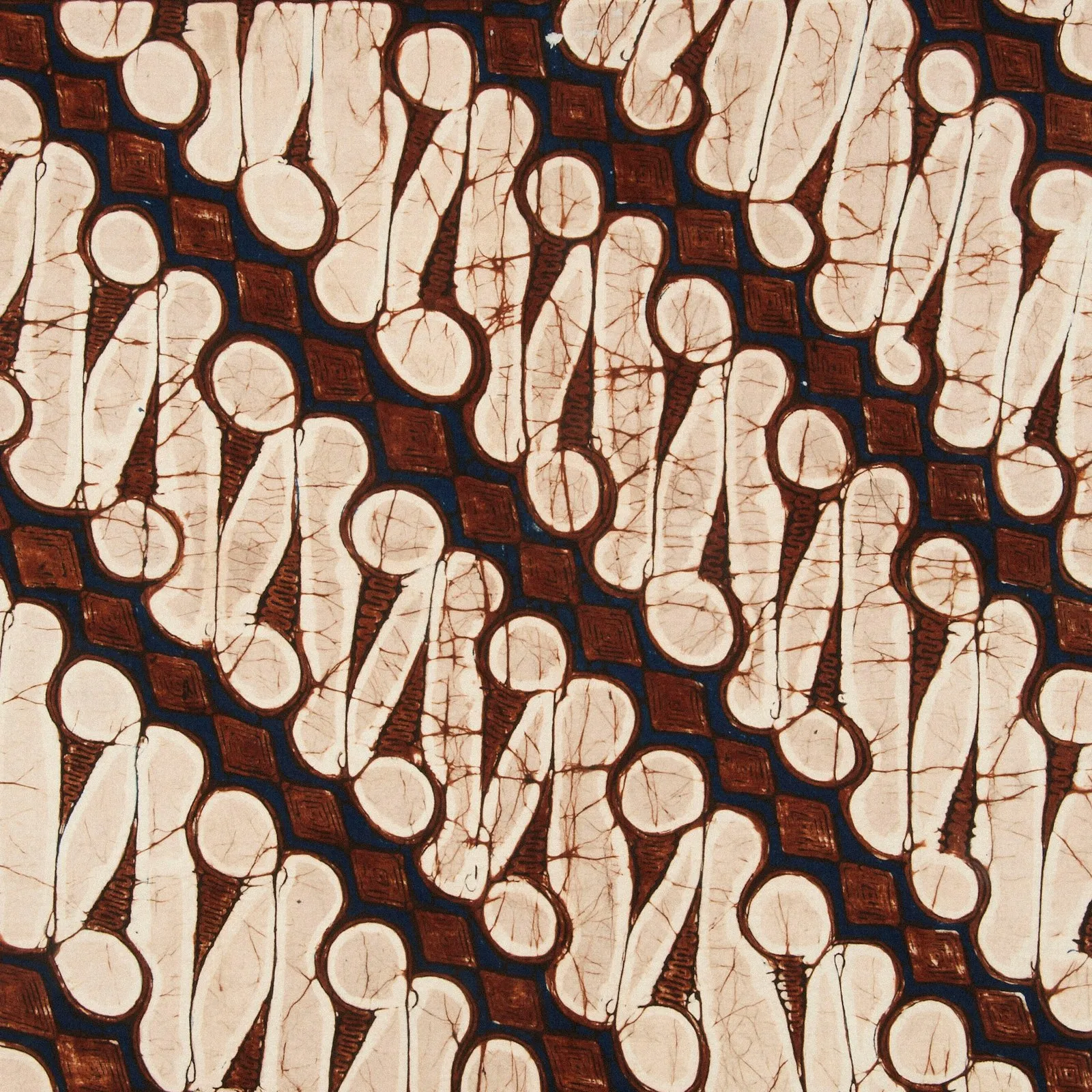
Batik
Wax-resist dyeing that builds patterns layer by layer.
Free shipping across Indonesia for orders above IDR 750.000Shop Women · Shop Men
Kain & Co. began in 2019 in a small rented room in Prawirotaman, Yogyakarta, with one batik wrap skirt and a question: why does the cloth our grandparents wore feel so out of reach in everyday clothes? Our founder, Rama Adiputra, grew up beside a batik studio and spent years learning from the artisans who still dye by hand.
Today we cut everyday and occasion wear from batik, lurik and tenun, made with workshop partners in Yogyakarta, Klaten and Solo. We still make small batches, and the cloth still decides the cut.
Lurik and tenun are woven on hand looms by partner weavers in Klaten and Solo.
Batik is wax-resist printed and dyed by hand, using natural indigo and soga where possible.
Patterns are cut in our Yogyakarta studio, with each run kept to a small batch.
Every piece is washed, checked for seams and labelled before it ships.
Wax-resist dyeing that builds patterns layer by layer.
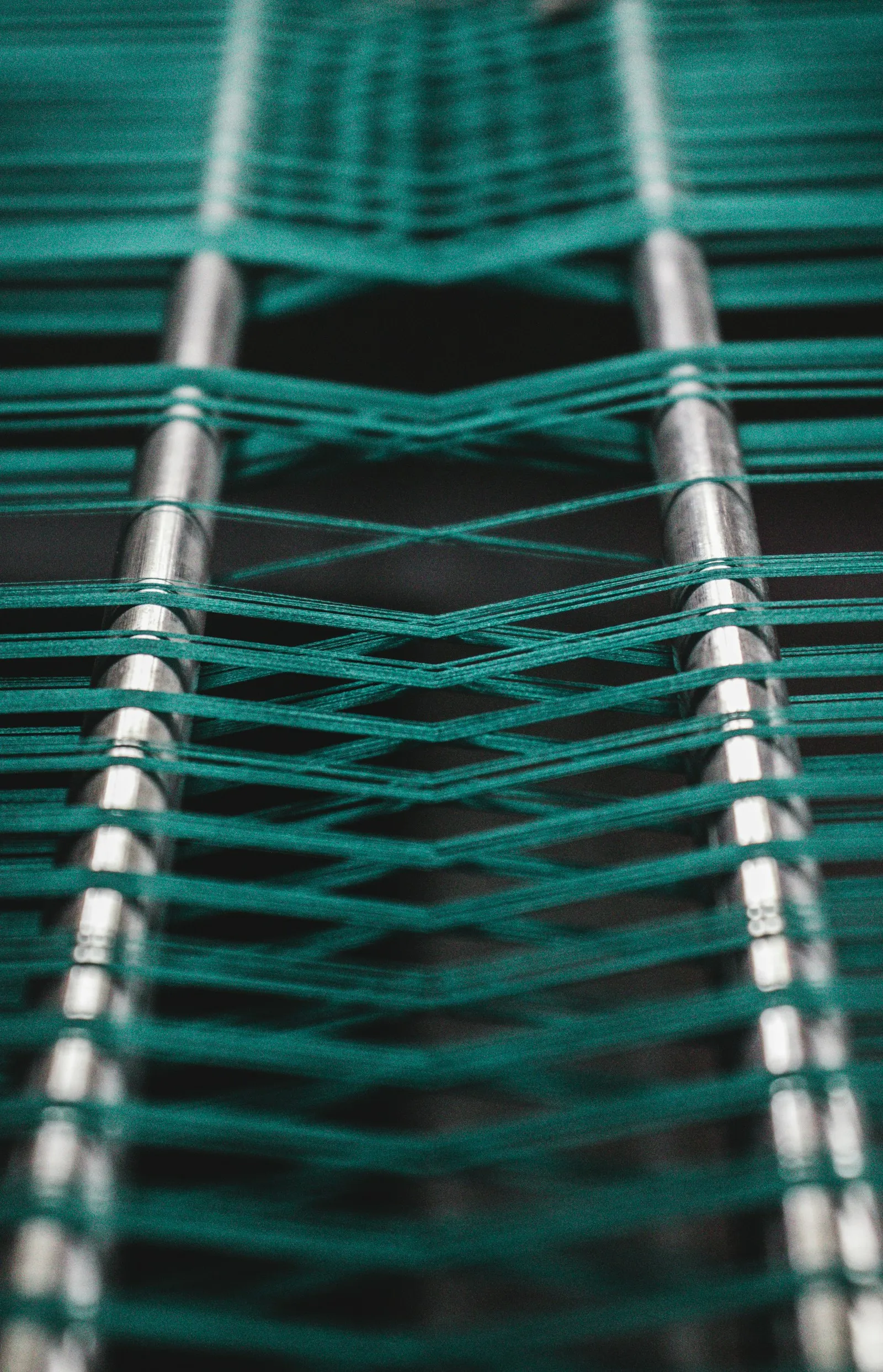
Striped cotton from a hand loom, traditionally woven in Central Java.
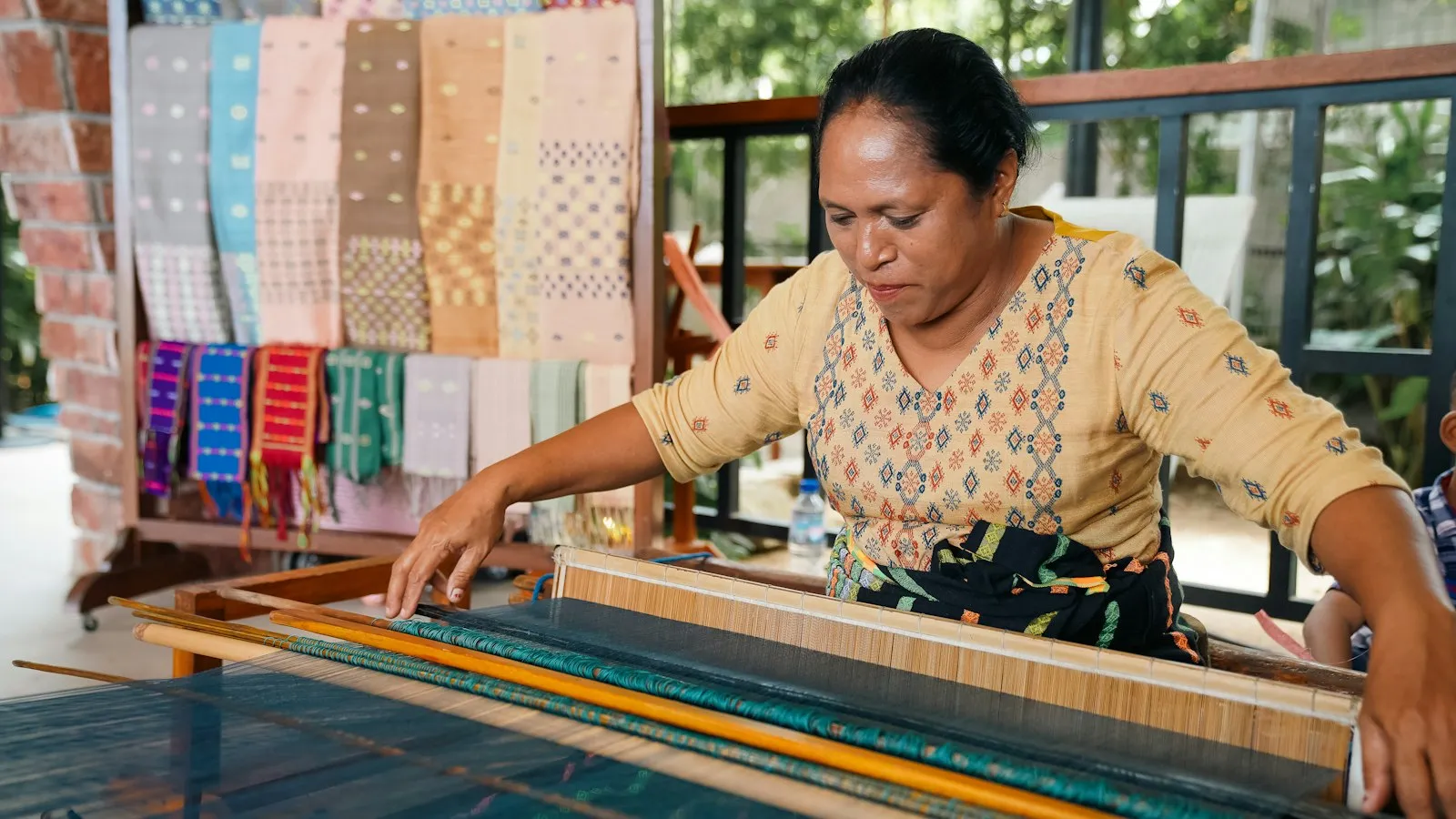
Hand-woven cloth, the weft threads pulled tight on the loom.
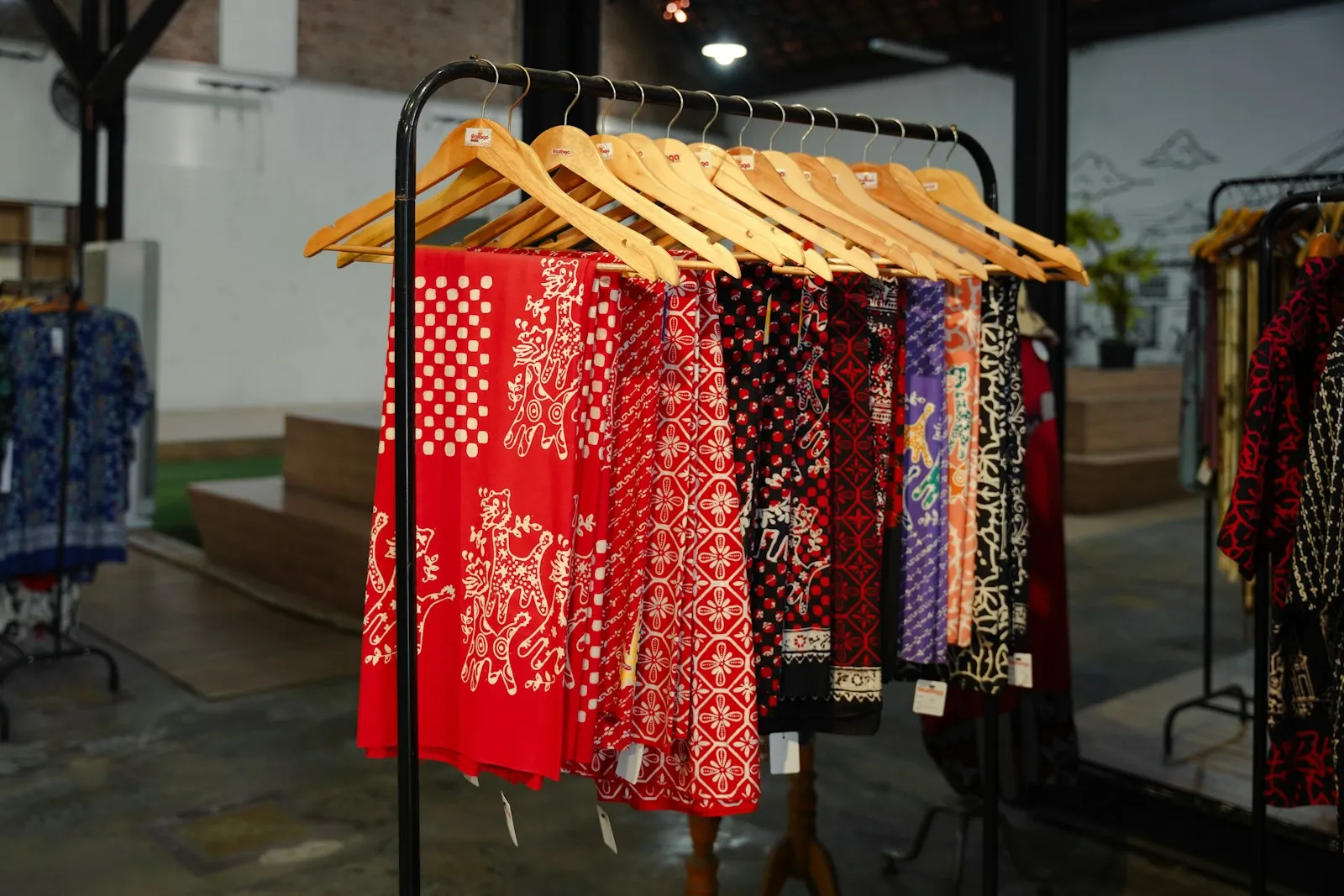
Yarn is tie-dyed before weaving, so the pattern is set in the thread.
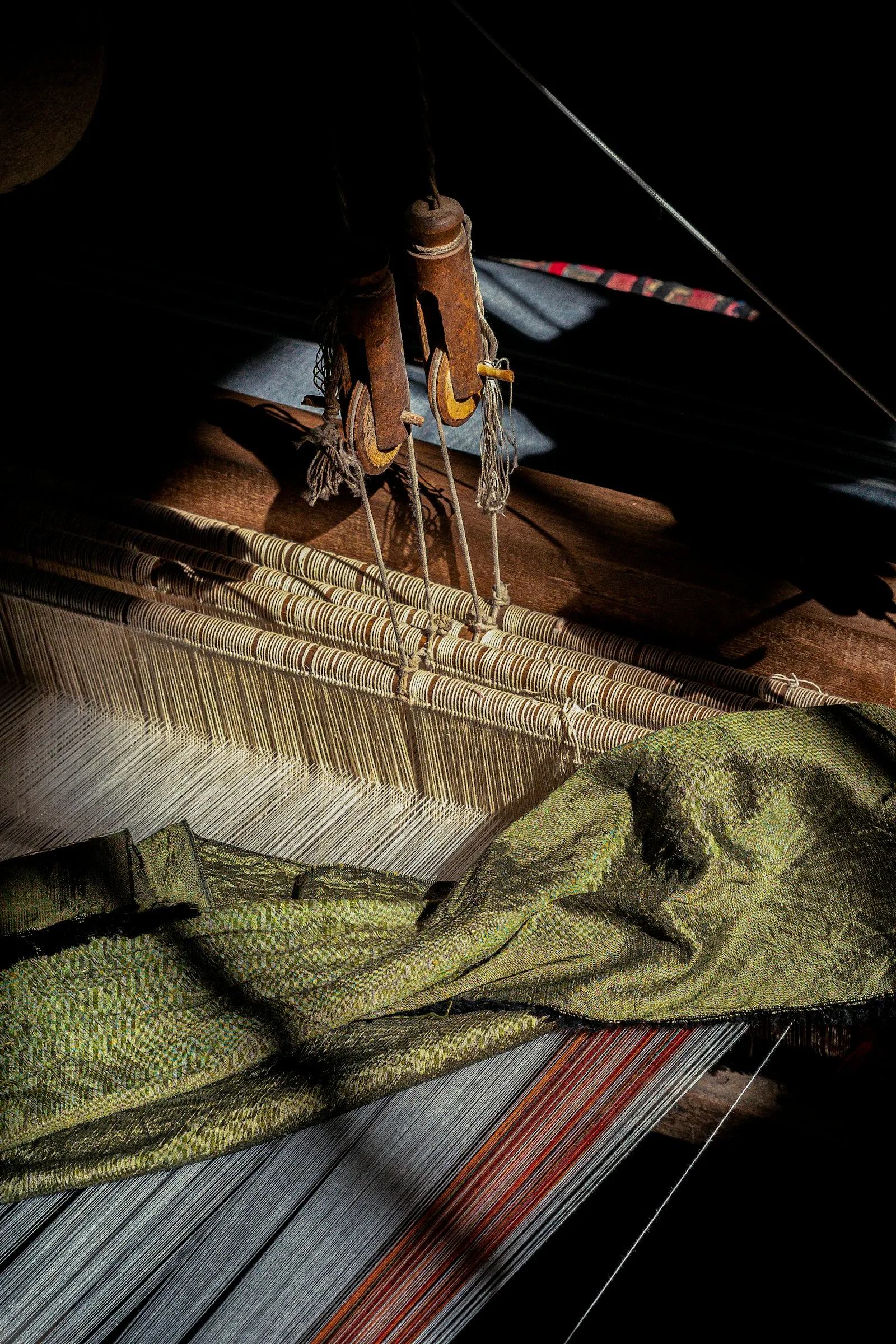
Hand looms weave our lurik runs in a family workshop.
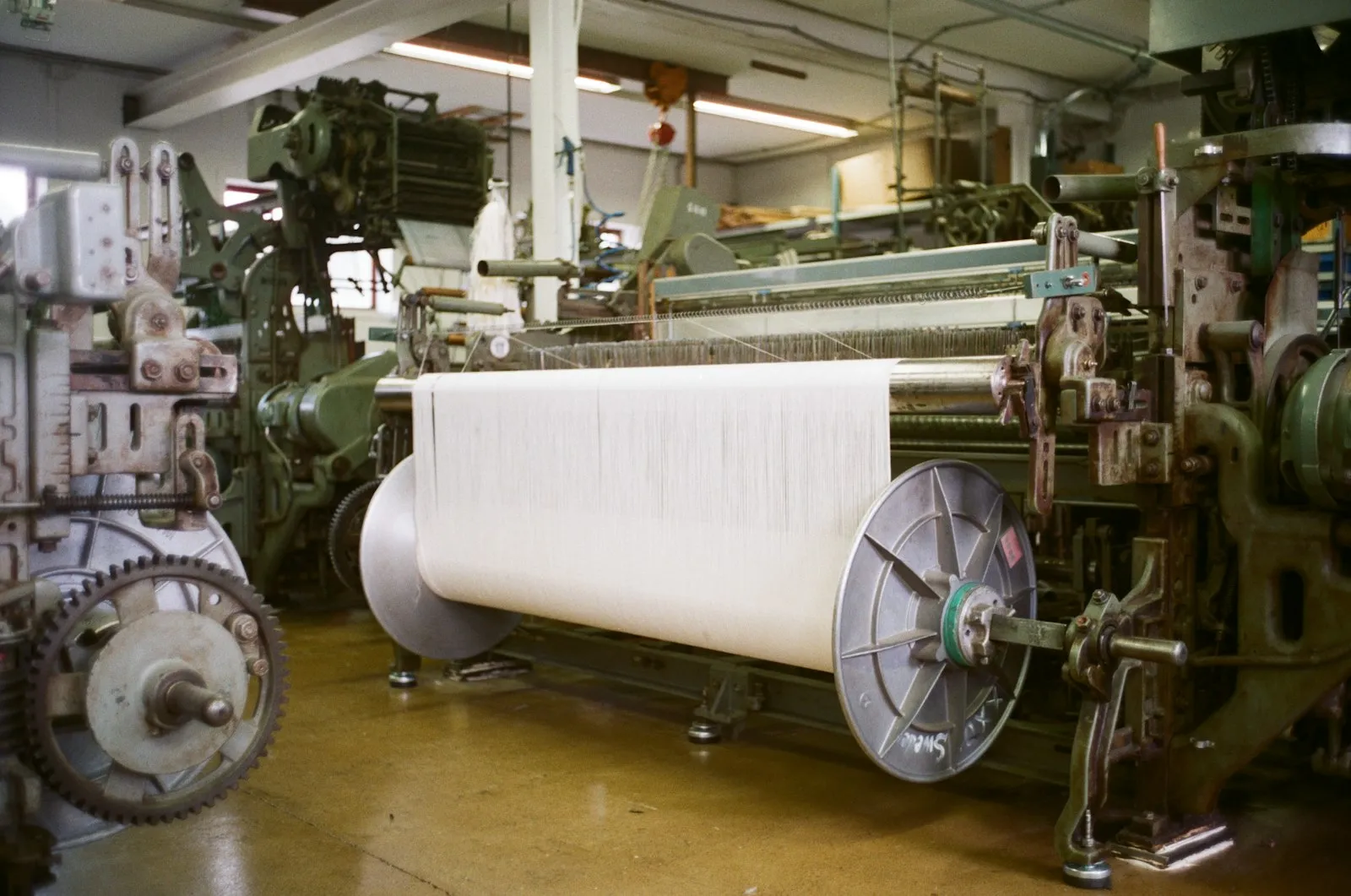
Tenun cloth woven on wide looms and finished in small runs.
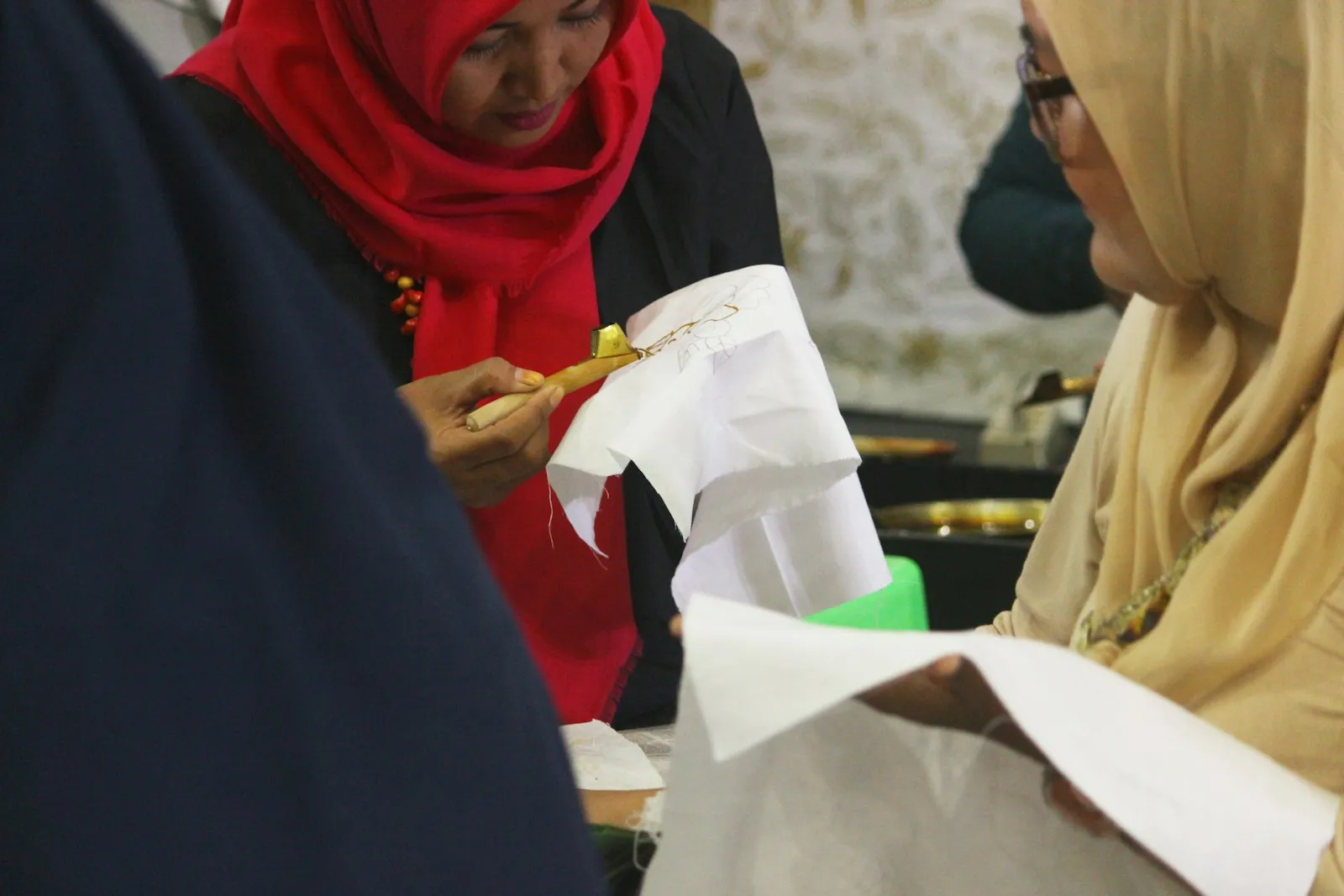
Wax-resist drawing and natural dye work for our batik range.
Artisans are paid per piece with a fixed minimum, confirmed before each order.
Runs of 30 to 120 pieces, so we never overbuy cloth.
Indigo, soga and morinda are used when the cloth allows it.